The strongest default choice for SaaS application security is a dedicated SaaS security platform, especially when the risk sits inside tools like Microsoft 365, Google Workspace, Salesforce, Slack, GitHub, ServiceNow, and Okta. CASB, SSPM, and SASE tools still matter, but they solve different parts of the problem. If your main concern is misconfiguration, risky integrations, overexposed data, weak identities, and user behavior inside SaaS apps, a SaaS security platform gives the most direct coverage.
TLDR: A SaaS security platform focuses on what happens inside business applications, while CASB controls access and data movement, SSPM checks configurations, and SASE secures network access. For example, a 1,200 employee company may have 80 to 150 connected SaaS apps, but security teams often monitor fewer than 30 in detail. In one common case, a revoked employee account still has access through a connected OAuth app; a SaaS security platform can flag that exposure before it becomes a breach. CASB or SASE alone may miss it because the session or device looks normal.
Why SaaS Application Security Needs Its Own Layer
SaaS is now where business work actually happens. Contracts sit in Salesforce. Source code sits in GitHub. HR data sits in Workday. Finance files move through Google Drive or Microsoft SharePoint. This creates a simple problem: the security perimeter is no longer just the network.
Attackers know this. They phish users, abuse OAuth permissions, exploit weak admin settings, and search for shared files with sensitive data. They do not always need malware. Sometimes they only need one user to approve a malicious app that asks for mailbox access.
It drives security teams mad that a setting changed by one well meaning admin can expose thousands of records in seconds. Worse, many SaaS tools have different permission models, audit logs, and policy names. Manual review does not scale.
What Is a SaaS Security Platform?
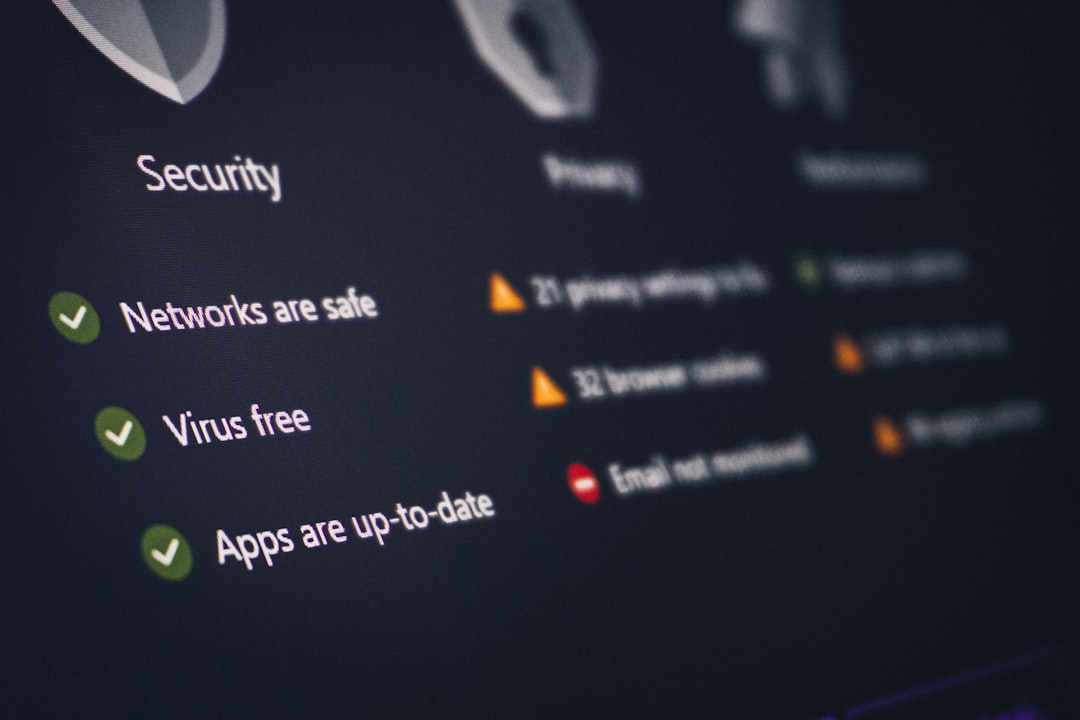
A SaaS security platform is built to monitor, assess, and protect SaaS applications from inside the application layer. It connects through official APIs and examines users, permissions, files, settings, third party apps, activity logs, and policy drift.
Typical capabilities include:
- Configuration monitoring: Finds insecure settings across SaaS apps.
- Identity risk analysis: Detects dormant users, excessive privileges, weak MFA status, and admin sprawl.
- OAuth and app governance: Reviews connected third party apps and risky scopes.
- Data exposure checks: Finds public links, external sharing, and sensitive records in the wrong place.
- User behavior detection: Flags suspicious downloads, impossible travel, mass exports, or odd admin actions.
- Remediation workflows: Opens tickets, sends alerts, or fixes issues through approved playbooks.
A mature platform does more than list problems. It prioritizes risk. A public marketing file is not equal to a public payroll report. Good platforms understand that difference.
CASB: Strong for Access and Data Control, Not Always Deep Enough
A Cloud Access Security Broker, or CASB, sits between users and cloud services. It can enforce policies, detect unsanctioned apps, inspect traffic, and apply data loss prevention rules. CASB tools are useful when companies need control over access, uploads, downloads, and shadow IT.
CASB is often strong in these areas:
- Discovering cloud services used by employees.
- Applying access rules based on user, device, location, or risk.
- Blocking uploads of sensitive files to unapproved apps.
- Detecting unusual cloud usage patterns.
The catch is that CASB tools can struggle with the fine details inside each SaaS app. They may see that a user accessed Salesforce, but not fully understand every permission set, connected package, workflow rule, or field exposure. API based CASB features help, but many CASB deployments were designed around traffic control first.
SSPM: Excellent for Posture, Limited for Broader Protection
SaaS Security Posture Management, or SSPM, focuses on misconfigurations and compliance checks in SaaS applications. It answers questions such as: Is MFA enforced? Are external sharing rules too open? Are admin accounts reviewed? Are audit logs enabled?
SSPM is valuable because configuration errors are common. CISOs often discover that teams changed settings for convenience, integrations, or urgent projects. Months later, nobody remembers why that exception exists.
SSPM works best for:
- Continuous configuration assessment.
- Compliance mapping against standards such as ISO 27001, SOC 2, HIPAA, and CIS controls.
- Policy drift detection.
- Admin and privilege review.
However, SSPM alone can be too narrow. It may find weak settings but miss suspicious user behavior. It may identify a risky permission but not show whether that risk is tied to sensitive data or active exploitation. Many SaaS security platforms include SSPM as one function, then add identity, threat detection, exposure management, and remediation.
SASE: Critical for Network Access, Not a SaaS App Security Replacement
Secure Access Service Edge, or SASE, combines network security services such as secure web gateway, zero trust network access, firewall as a service, CASB, and data controls. SASE is useful when users work from many locations and need secure access to web, cloud, and private applications.
SASE helps with:
- Secure remote access.
- Web filtering and malware blocking.
- Device and identity based access rules.
- Consistent policy enforcement across locations.
But SASE is not built to interpret every SaaS permission model in depth. It may block a risky login or inspect web traffic, but it is less suited to answer questions like: Which Salesforce users can export customer records? Which GitHub repositories are public? Which Slack apps can read messages? Which former contractor still has access through a synced identity group?
That gap matters. Network access can look clean while the SaaS environment is a mess.
SaaS Security Platform vs CASB, SSPM, and SASE
The right tool depends on the control point. Each category has a clear role.
- SaaS security platform: Best for deep SaaS visibility, identity risk, app configuration, third party integrations, data exposure, and SaaS threat detection.
- CASB: Best for access control, traffic inspection, sanctioned app control, shadow IT discovery, and data movement policies.
- SSPM: Best for configuration checks, compliance posture, and policy drift monitoring.
- SASE: Best for secure network access, remote workforce protection, web security, and zero trust access to apps.
For many mid sized and large organizations, the practical answer is not one product replacing every other product. The better answer is role clarity. Use SASE for secure access. Use CASB for cloud access and data movement policy. Use SSPM functions for posture. Use a SaaS security platform for deep application risk.
When a SaaS Security Platform Is the Better Fit
Choose a SaaS security platform first when your biggest risks are inside SaaS apps. This is common for software firms, financial services, healthcare, professional services, and any company with heavy collaboration.
Strong signs include:
- You have more than 25 business critical SaaS apps.
- Admins cannot explain all external sharing rules with confidence.
- OAuth apps are approved without regular review.
- Privileged users are created by multiple teams.
- Compliance audits take weeks because SaaS evidence is scattered.
- Security alerts lack business context.
Honestly, it feels like some teams spend more time exporting CSV files than reducing risk. A platform that normalizes findings across apps can cut that wasted effort. In a realistic deployment, security teams may reduce weekly SaaS review time from 10 hours to 2 or 3 hours once alerts, evidence, and remediation are centralized.

How to Evaluate SaaS Security Options
Buy based on coverage and action, not dashboard polish. Ask direct questions during evaluation.
- Application depth: Does it support your most critical SaaS apps with meaningful checks?
- Identity context: Can it connect users, roles, groups, MFA, and privileged access?
- Data awareness: Can it classify or identify sensitive exposure?
- OAuth governance: Can it detect risky scopes and unused connected apps?
- Remediation: Can it fix issues or only report them?
- Audit support: Can it produce evidence for SOC 2, ISO 27001, HIPAA, GDPR, or internal controls?
- Alert quality: Does it reduce noise, or will analysts drown in low value findings?
The Sensible Security Architecture
A serious SaaS security program usually combines several controls. Identity providers enforce MFA and conditional access. SASE secures user connectivity. CASB manages access and data movement. SSPM checks posture. A SaaS security platform ties the application specific risks together and makes them usable for security operations.
The main mistake is assuming one category covers everything. It rarely does. SaaS risk is too specific, too permission heavy, and too dependent on business context.
If your organization runs on SaaS, treat SaaS applications as production systems with sensitive data, not just websites employees log into. That means continuous monitoring, clear ownership, fast remediation, and evidence that controls work. A SaaS security platform is not always the only tool required, but it is often the missing one.