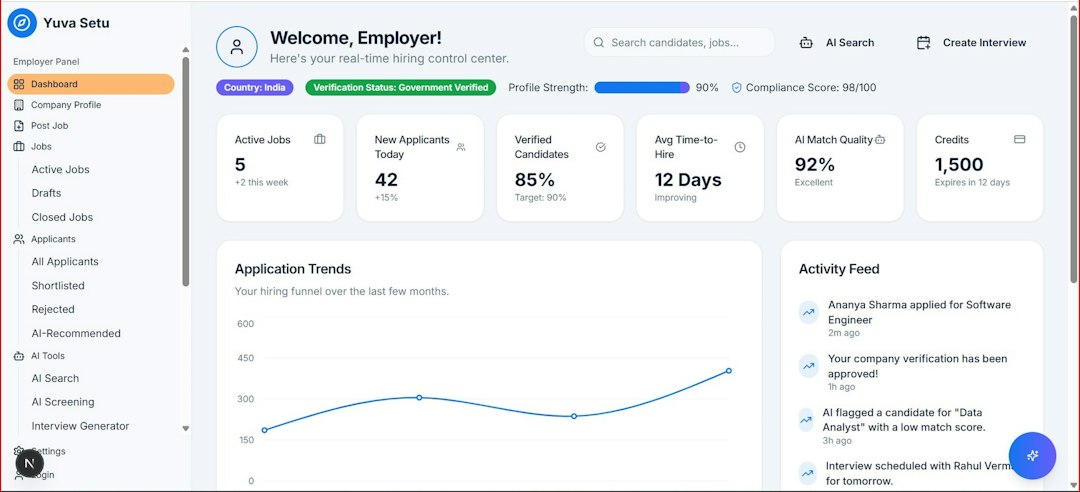
Similarweb is often the best first stop for market and competitor traffic checks, while Semrush and Ahrefs usually fit better when search, content, and backlink work matter more. Similarweb says its data is built from multiple sources, including direct measurement, public data, partnerships, and contributory networks [source: Similarweb]. That matters because website analytics tools are only useful when the data source makes sense for the question.
TLDR: Similarweb, Semrush, and Ahrefs all estimate website performance, but they answer different questions. A retail team comparing five competitors may use Similarweb to see that one rival gets about 42% of visits from search and 28% from referrals, then use Semrush to inspect keywords and Ahrefs to study backlinks. Similarweb is strongest for traffic share, audience behavior, and channel mix. Semrush and Ahrefs are better when the job is SEO planning, rank tracking, and link research.
How Similarweb fits into website analytics choices
Similarweb helps teams understand how websites perform outside their own analytics account. That is the main appeal. A company cannot open a competitor’s Google Analytics dashboard, so it needs estimates. Similarweb fills that gap with traffic trends, country splits, referral sources, search share, audience interests, and competing sites.
It is useful for market checks. It helps answer plain questions. Who gets more traffic? Which channel seems to drive visits? Is a rival growing, flat, or falling? What country sends the most visitors?
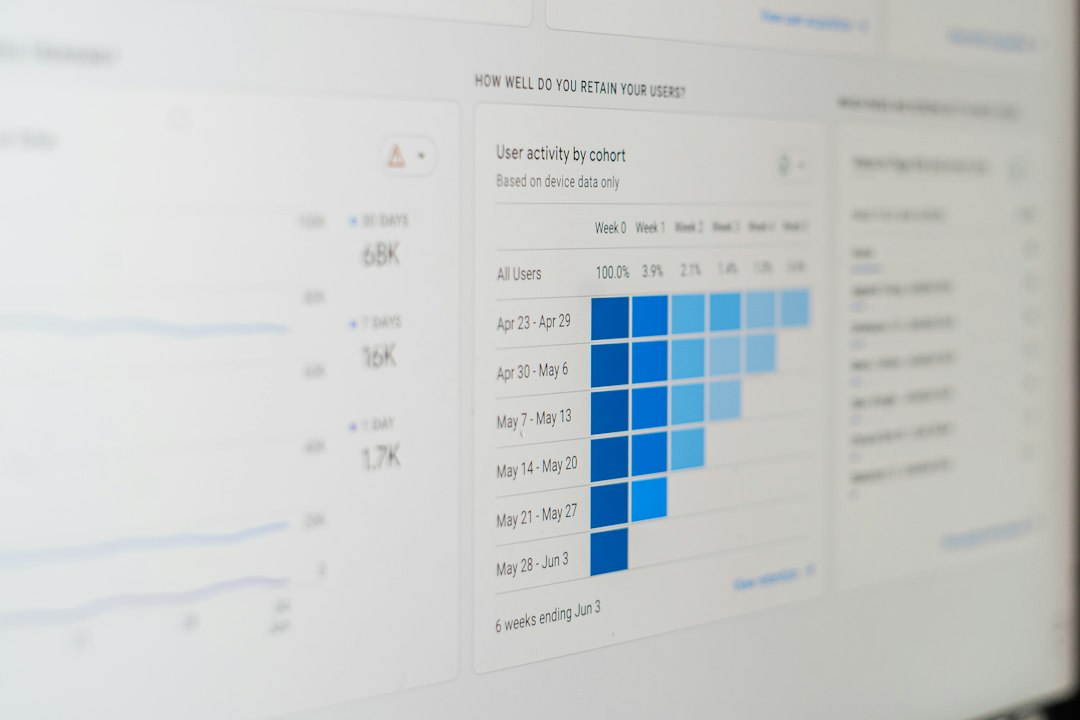
The catch is that Similarweb is not perfect. No third-party analytics tool is. Numbers are estimates, not server logs. A site with low traffic may show thin or missing data. It can be annoying when a smaller niche site returns only partial results after a team expected a clean report in seconds.
Where Semrush is stronger
Semrush is built around search marketing. It is a strong choice for keyword research, rankings, SEO audits, PPC research, and content planning. A marketing team may use it to find keywords with rising search demand, check competitors’ paid ads, and track daily ranking changes.
Semrush also gives broad competitor data, but its main value is search detail. It helps explain why a site gets traffic from Google. It can show ranking pages, keyword gaps, technical SEO issues, and topic ideas.
For teams focused on content growth, Semrush often feels more direct than Similarweb. It turns research into tasks. Fix this page. Target this keyword. Watch this rank. That kind of workflow helps SEO teams move faster.
Where Ahrefs is stronger
Ahrefs is best known for backlink data and SEO research. It shines when a team needs to study links, content strength, organic keywords, and competitor pages. Its Site Explorer is popular because it makes link research easy to scan.
Ahrefs can help answer questions such as: Which pages attract the most links? Which domains link to competitors? What content brings organic visits? Which pages lost rankings?
Honestly, it feels like Ahrefs is sometimes too SEO-heavy for a non-specialist. A founder who only wants quick market traffic numbers may feel buried. But for an SEO manager, that depth is the point.

Side-by-side: which tool should a team choose?
- Choose Similarweb for competitor traffic estimates, market sizing, traffic channels, audience overlap, and referral research.
- Choose Semrush for keyword planning, rank tracking, technical SEO audits, paid search research, and content workflows.
- Choose Ahrefs for backlink analysis, competitor content research, link building, and organic search opportunities.
A SaaS company, for example, may use Similarweb to spot which competitor has the biggest traffic share. Then it may use Semrush to build a keyword plan. After that, Ahrefs can show which websites link to the competitor’s best pages. For product teams, broader SaaS analytics tools can fill in user retention, product usage, and conversion data that these SEO tools do not cover.
Social and content teams need a different angle
Website analytics tools do not replace social analytics. If a brand depends on Instagram, it also needs follower growth, reach, saves, comments, and engagement rate. Similarweb may show social traffic to a site, but it will not explain which Reel or carousel caused the spike.
Teams working on social growth may benefit from guides on Instagram analytics features and Instagram analytics tools. Those tools answer a different set of questions. They focus on audience behavior inside the social platform, not just visits to a website.
Common annoyances with these tools
- Estimated data can clash. Similarweb, Semrush, and Ahrefs may show different traffic numbers for the same site.
- Small sites may lack detail. Low-traffic domains often have weaker estimates.
- Pricing can climb fast. Bigger reports, more users, and deeper history usually cost more.
- Training takes time. Semrush and Ahrefs can feel packed with menus before they feel useful.

Best practical setup
A smart team does not treat one tool as the full truth. It compares signals. Similarweb can show market direction. Semrush can shape the search plan. Ahrefs can inspect backlinks and content strength. First-party analytics, such as GA4 or product analytics, should still be the source for owned website behavior.
The best choice depends on the job. Similarweb is the broad market view. Semrush is the search campaign workspace. Ahrefs is the backlink and organic research engine. Used together, they give a clearer picture than any single tool alone.
FAQ
-
Is Similarweb better than Semrush?
Similarweb is better for traffic estimates and competitor market research. Semrush is better for SEO campaigns, keyword tracking, and site audits. -
Is Ahrefs more accurate than Similarweb?
It depends on the metric. Ahrefs is strong for backlinks and organic search data. Similarweb is stronger for total traffic estimates and channel mix. -
Can these tools replace Google Analytics?
No. They estimate outside data. Google Analytics tracks a company’s own site data directly, so it should still be used for internal reporting. -
Which tool is best for beginners?
Similarweb is often easier for quick competitor checks. Semrush may be better for beginners who want guided SEO tasks. -
Should a small business pay for all three?
Usually not. It should pick the tool that matches the main goal. Market research points to Similarweb. SEO growth points to Semrush or Ahrefs.