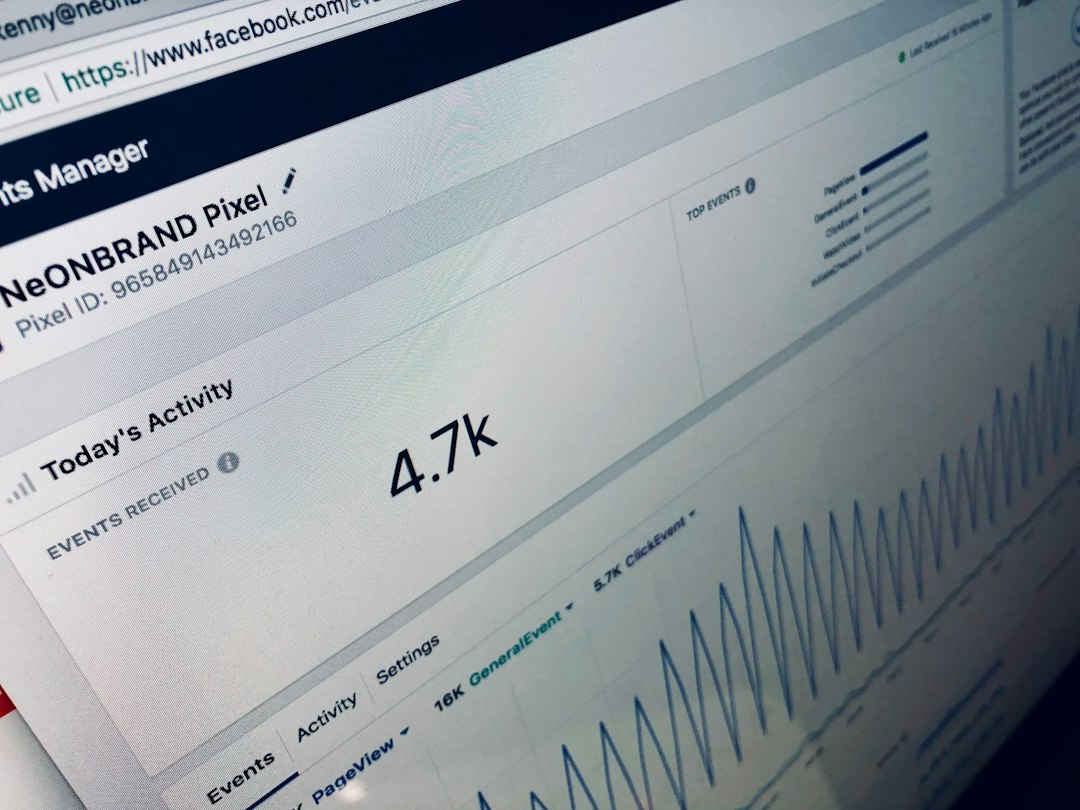
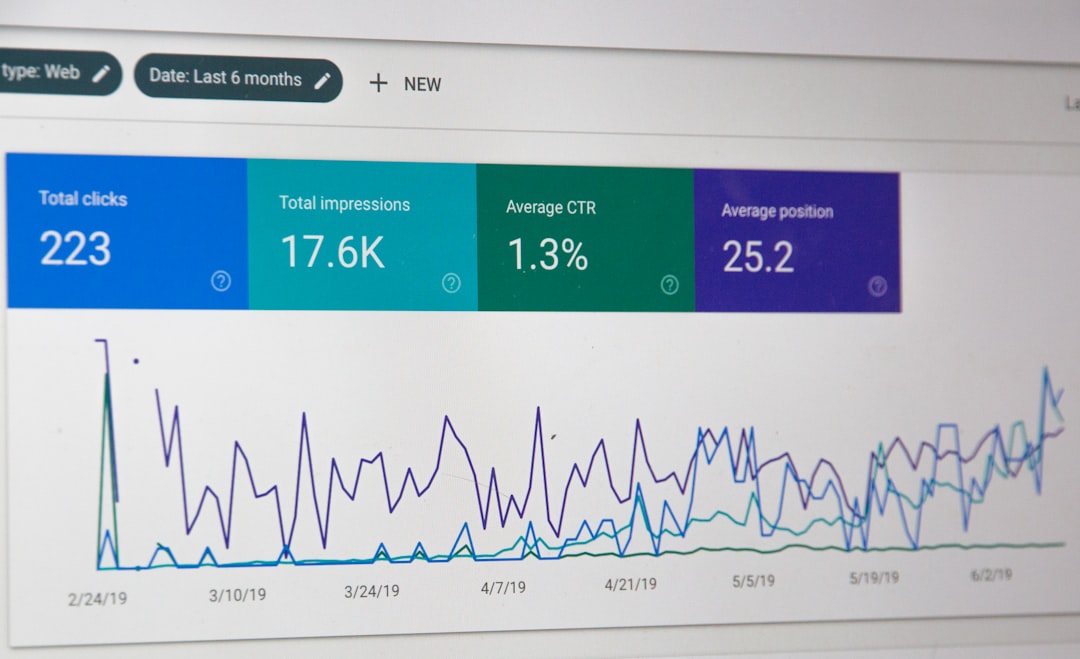
Pick Semrush, Ahrefs, SE Ranking, and Moz Pro if you want tools like Search Visibility Score for tracking search performance. They show how often your site appears, where it ranks, and whether your SEO work is moving the needle. Google Search Console also shows clicks, impressions, CTR, and average position, which are the raw signals behind most visibility checks [source: Google].
TLDR: Use Semrush for polished reports, Ahrefs for strong keyword tracking, SE Ranking for budget-friendly monitoring, and Moz Pro for simple visibility scoring. For example, if your 50 tracked keywords go from an average rank of 14 to 8, your visibility score might rise from 22% to 37%. That is the kind of jump clients understand fast. No one wants to read a 19-tab spreadsheet just to know if SEO is working.
Why use a search visibility tool?
A visibility score is like a fitness tracker for SEO. It does not tell the whole story. But it gives you a quick pulse.
If the score rises, your pages are showing up more often. If it drops, something changed. Maybe a competitor gained ground. Maybe Google shuffled results. Maybe your best page fell from position 3 to 9. Lovely. Another Monday surprise.
These tools help you spot that fast.
- Track keyword rankings across Google search results.
- Watch visibility trends over days, weeks, and months.
- Compare competitors without guessing.
- Find falling pages before traffic tanks.
- Create reports your boss can read in two minutes.
1. Semrush Position Tracking
Best for: teams, agencies, and people who love clean charts.
Semrush has a strong Position Tracking tool. You add your domain. You add keywords. Then it shows your visibility, average position, rankings, and competitor movement.
The interface is friendly. The graphs are easy to read. You can filter by device, location, and keyword group. That matters if you rank well on desktop but keep getting punched in the face on mobile.
What we liked:
- Great competitor tracking.
- Pretty reports.
- Useful tags for keyword groups.
- Local tracking for cities and regions.
What annoyed us: Some menus feel packed. It took a few extra clicks to find one simple keyword view. Not tragic. Just mildly irritating.
Use Semrush if you need reports that look good and explain progress fast.
2. Ahrefs Rank Tracker
Best for: content teams and SEO folks who care about keyword wins.
Ahrefs Rank Tracker monitors keyword positions over time. It also gives visibility data, traffic estimates, and ranking changes. The tool feels built for people who want answers, not confetti.
You can track desktop and mobile. You can also compare against competitors. Ahrefs is especially handy if you already use it for backlinks and content research.
What we liked:
- Strong keyword data.
- Clear ranking history.
- Good competitor comparisons.
- Pairs well with content audits.
What annoyed us: Updates may not feel instant. Honestly, it feels like waiting for toast when you are already late.
Use Ahrefs if your SEO work is tied to content, links, and keyword growth.
3. SE Ranking
Best for: small teams, freelancers, and budget-conscious marketers.
SE Ranking gives you rank tracking, visibility scores, traffic forecasts, and competitor data. It also has site audits and backlink checks. So you get a broad SEO toolkit without needing a giant budget.
The search visibility view is simple. That is a good thing. You can see if your keyword set is improving or slipping. You can also split reports by search engine, location, and device.
What we liked:
- Good value for the price.
- Easy setup.
- Helpful keyword grouping.
- Clean client reports.
What annoyed us: Some reports can feel a bit plain. They do the job. They just do not always feel exciting. Like a sandwich with no sauce.
Use SE Ranking if you want solid tracking without draining your wallet.
4. Moz Pro Search Visibility
Best for: simple visibility tracking and easy SEO reporting.
Moz Pro has a metric called Search Visibility. It estimates how visible your tracked keywords are in search results. Moz explains that the score is based on ranking positions and estimated click-through rates [source: Moz].
This makes it easy to answer a basic question: “Are we getting more visible or not?”
Moz is not the flashiest tool here. But it is friendly. The learning curve is gentle. That helps if your team has people who do not live inside SEO dashboards all day.
What we liked:
- Simple visibility score.
- Easy keyword tracking.
- Good for beginners.
- Clear campaign reporting.
What annoyed us: Power users may want deeper filters. If you like slicing data into tiny pieces, you may hit limits.
Use Moz Pro if you want a clean score that non-SEO people can understand.
Which one should you pick?
Here is the short version.
- Pick Semrush if you need agency-ready reports and competitor tracking.
- Pick Ahrefs if content and backlinks are a big part of your SEO plan.
- Pick SE Ranking if price matters and you still want strong rank tracking.
- Pick Moz Pro if you want a simple visibility score with less fuss.
For most growing teams, Semrush is the safest all-round pick. For lean teams, SE Ranking is hard to ignore. For content-heavy sites, Ahrefs feels natural. For simple reporting, Moz Pro keeps things calm.
A quick tracking tip
Do not track every keyword under the sun. That creates noise. Track the terms that matter.
Start with 25 to 100 keywords. Split them into groups. Use labels like money pages, blog posts, local terms, and brand terms. Check visibility once a week. Daily checking can make you twitchy.
The goal is not a perfect score. The goal is a clear trend. If visibility rises, keep going. If it drops, check rankings, pages, and competitors. Then fix the weak spots before traffic takes a nap.